


Key Takeaways
- Nvidia’s stock fell 5.7% after announcing new U.S. restrictions on H20 chip exports to China, expected to impact earnings by approximately $5.5 billion.
- The S&P 500 and Nasdaq composite indices fell 0.9% and 1.7% respectively, influenced by Nvidia and other chip sector declines.
- Bipartisan support in the U.S. government is growing for restrictions on AI chip exports to China, with concerns over military applications.
Nvidia Faces Significant Financial Impact from Export Restrictions
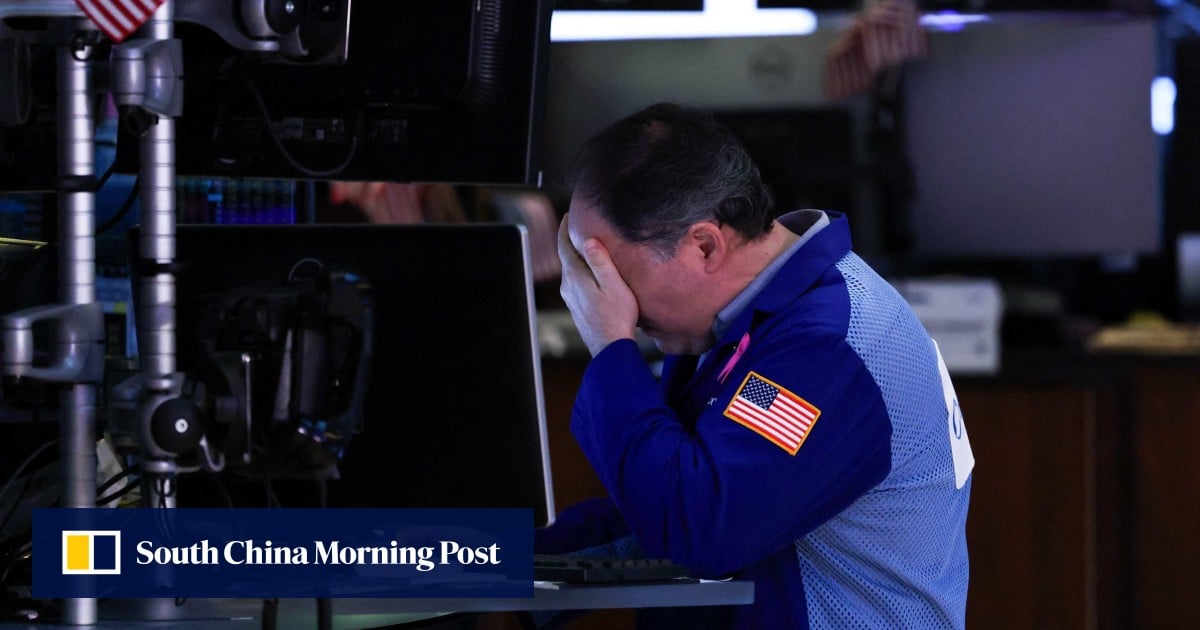
Nvidia, a leading semiconductor company, announced Wednesday that new U.S. export restrictions on its H20 chips to China will significantly impact its financial outlook. The new measures, aimed at addressing security concerns, could reduce Nvidia’s first-quarter results by around $5.5 billion due to charges associated with inventory and purchase commitments. Consequently, Nvidia’s stock dropped 5.7%, making it the largest drag on the market.
In early trading, the S&P 500 saw a decline of 0.9%, while the Dow Jones Industrial Average was down 180 points, or 0.4%. Meanwhile, the Nasdaq composite experienced a 1.7% drop, largely driven by Nvidia and other stocks in the chip manufacturing sector.
Nvidia’s announcement comes amid ongoing tensions between the United States and China. The two nations, the largest economies globally, have been engaged in a trade war that has included rising tariffs and other barriers. The restrictions on AI chip exports have bipartisan backing in Congress, signaling a shift in how the U.S. approaches technology exports. Senator Elizabeth Warren highlighted these concerns, urging the U.S. Commerce Department to expedite the imposition of restrictions on Nvidia’s H20 and similar advanced AI chips. She argued that such technology could enhance China’s military and surveillance capabilities.
The implications of these restrictions extend beyond Nvidia, affecting the broader semiconductor industry and contributing to a downturn in major stock indices. The situation is indicative of a pivotal shift in U.S.-China relations, especially within the technology sector, as both political parties express apprehension about China’s advancements in AI and military technology.
Overall, Nvidia’s stock performance serves as a barometer for the challenges facing the tech industry amid increasing regulatory scrutiny and geopolitical tensions. The financial fallout from these export restrictions may affect investor sentiment and market trajectories in the coming months, as firms reassess their positions in a rapidly changing landscape. The ongoing developments will be closely monitored as they unfold, particularly regarding their broader economic implications.
The content above is a summary. For more details, see the source article.









