


Key Takeaways
- Waymo partners with B2U Storage Solutions to recycle its used EV batteries into stationary energy storage.
- The initiative will support energy grids in Texas and California, deploying “hundreds of megawatts” of storage.
- This move aligns with a growing trend of repurposing EV batteries for renewable energy storage.
Waymo’s Innovative Battery Recycling Initiative
Waymo has announced a new partnership with B2U Storage Solutions aimed at transforming used electric vehicle (EV) batteries from its robotaxis into stationary energy storage units. This initiative will begin in Texas and California, featuring projects that will harness the batteries’ capacity to support local energy grids.
The EV battery packs that currently power Waymo’s rides in cities like San Francisco and Austin will be repurposed once they reach the end of their useful life in autonomous vehicles. Waymo plans to deploy “hundreds of megawatts” of energy storage through this partnership, allowing the batteries to capture excess energy generated from renewable sources. This stored energy can then be released during periods of high demand, providing a valuable service to the energy grid.
B2U Storage Solutions has successfully launched similar projects in various locations across the United States. For instance, one initiative in California utilizes 1,300 retired EV batteries, while another in Texas combines the output of 720 battery packs. This model highlights the viability of utilizing older batteries beyond their automotive applications.
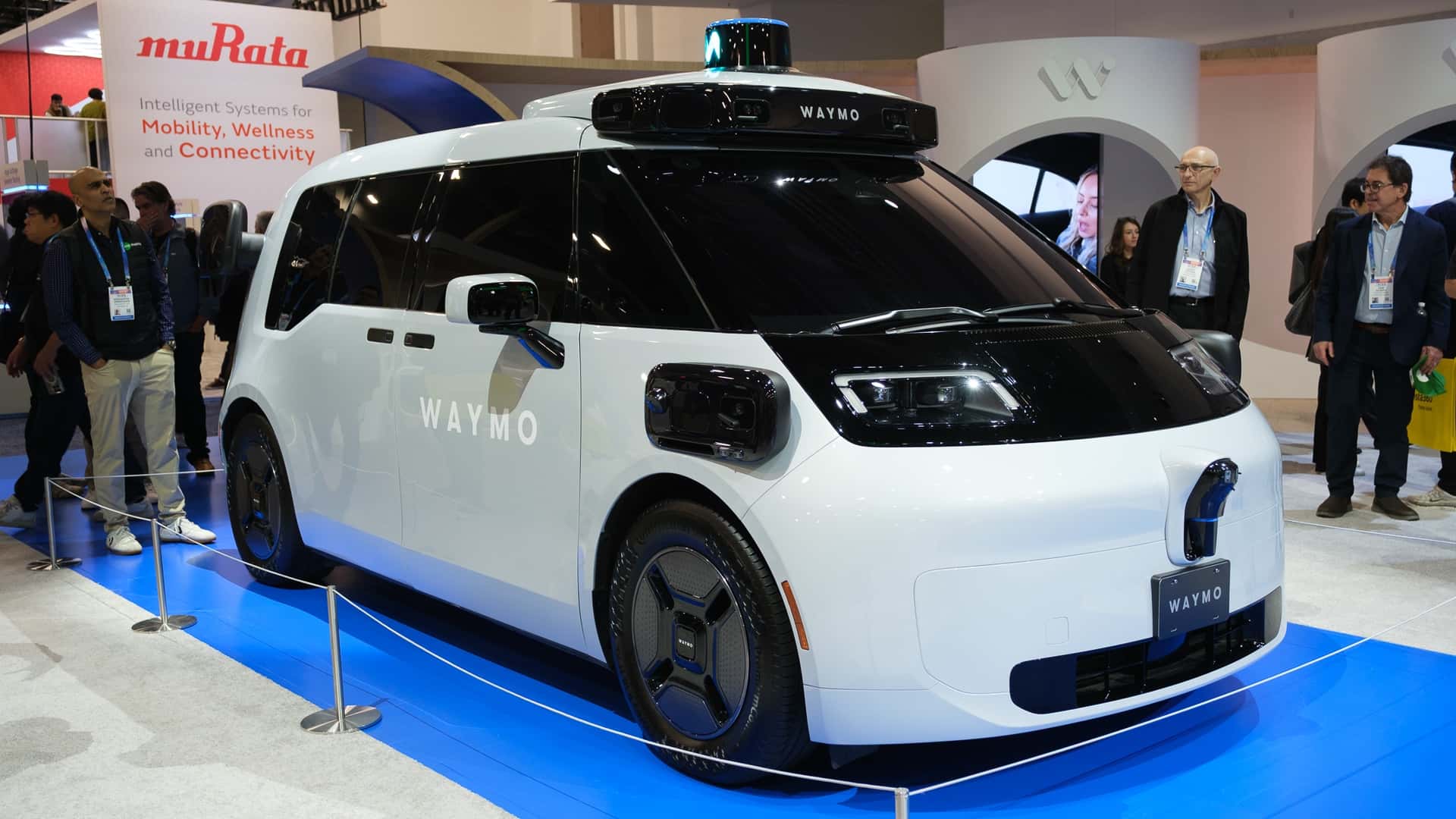
As for the source of these batteries, Waymo has primarily utilized the Jaguar I-Pace as its main robotaxi model. Recently, the company began testing the next-generation Ojai van developed by China’s Zeekr and has plans to integrate Hyundai Ioniq 5 taxis into its fleet as well. This expansion reflects Waymo’s strategy to provide a diverse array of vehicle formats to cater to different customer needs.
The initiative represents a broader trend in the auto industry, where reuse and recycling of EV batteries are becoming increasingly critical. Research shows that EV batteries can retain a significant amount of energy even when they’re no longer fit for use in vehicles. Batteries that are capable of supplying only 50% to 60% of their original capacity can still serve effectively in stationary environments, especially when combined with numerous other batteries. This approach reduces the need for extensive recycling and remanufacturing processes.
In addition to Waymo, other automotive giants like General Motors and Rivian are exploring similar avenues. They have partnered with Redwood Materials, a company specializing in battery recycling and repurposing, to convert their EV batteries into large-scale storage solutions. As the number of depleted EV batteries increases, more projects focusing on this sustainable concept can be expected.
Waymo’s partnership not only promotes environmental sustainability but also enhances the efficiency of energy distribution, aligning with the growing adoption of renewable energy sources.
The content above is a summary. For more details, see the source article.









