


Key Takeaways
- Japanese automakers see a boost in quarterly earnings due to yen weakness amidst geopolitical uncertainties.
- Sales in China remain sluggish, with local brands posing increasing competition.
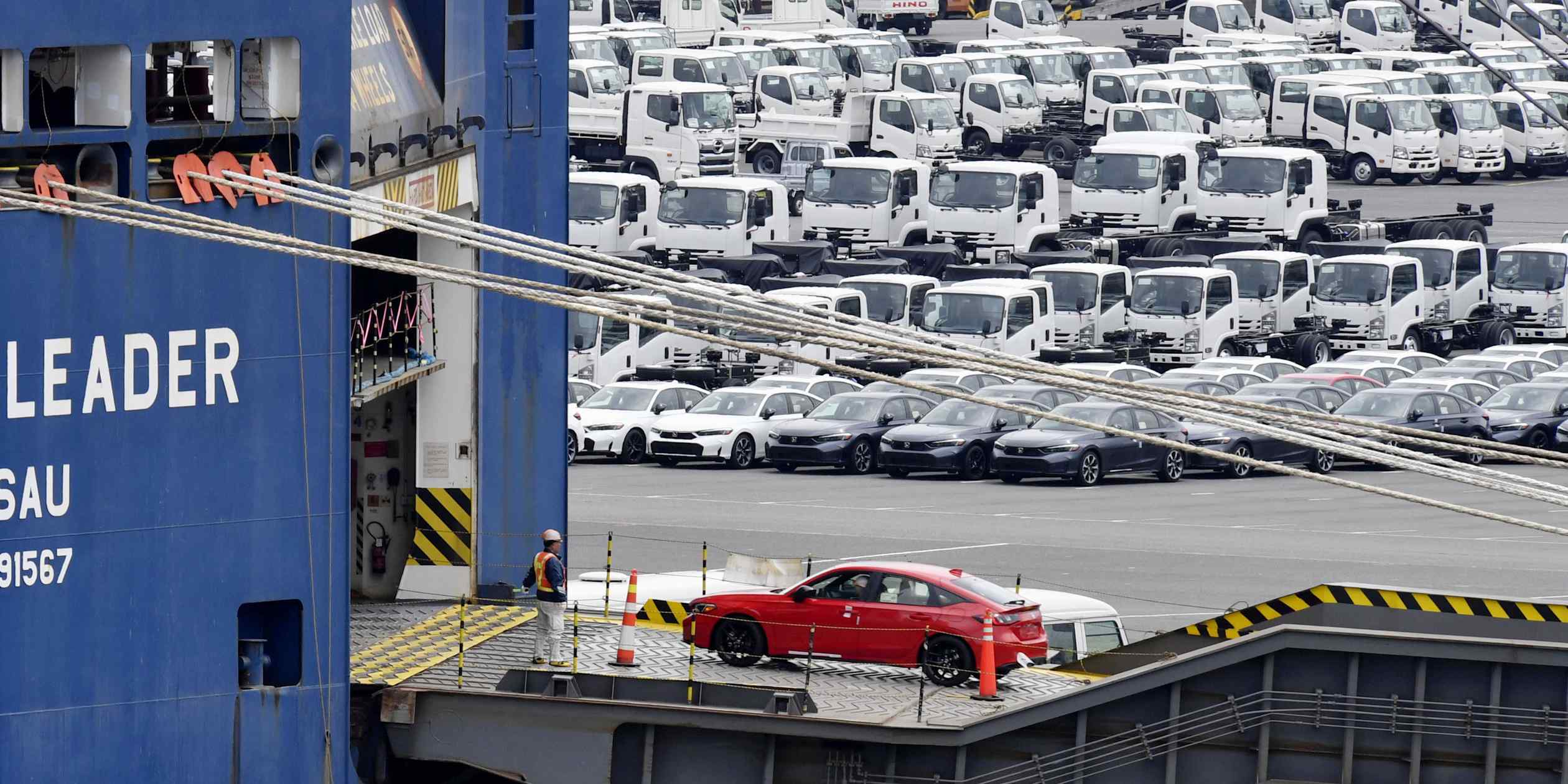
- Efforts are underway to establish new shipping routes to the Middle East to navigate market challenges.
Market Dynamics for Japanese Automakers
Japanese automobile manufacturers are currently facing significant challenges, particularly in the volatile markets of the Middle East and China. The depreciation of the yen has offered some relief, resulting in improved quarterly earnings despite these hurdles. However, the auto market in China presents ongoing difficulties, as local brands threaten the market share of Japanese companies.
The geopolitical instability in the Middle East has prompted Japanese automakers to reconsider their logistics and shipping routes. As tensions in the region continue to create uncertainty, these companies are exploring new avenues for transport to ensure consistent supply lines. This strategic shift aims to mitigate risks associated with existing routes that are now fraught with complications due to geopolitical conflicts.
Moreover, the stagnation of sales in China is a pressing concern. Japanese automobile brands, historically favored in the market, are losing ground to domestic competitors who are gaining traction in terms of consumer preference and market strategy. This trend underscores the need for Japanese automakers to adapt their offerings and marketing strategies to regain their footing in the Chinese automotive landscape.
As companies navigate these multifaceted challenges, the focus remains on sustaining profitability and market presence. The combination of strategic logistical adjustments, along with a reassessment of product relevance in China, will be crucial for Japanese automakers as they strive to recover from recent downturns and seize new opportunities in the evolving global market.
The content above is a summary. For more details, see the source article.









