


Key Takeaways
- The U.S. Energy Information Administration predicts renewable energy will continue to grow, with wind projected to provide 11% and utility-scale solar 8% of electricity by 2026.
- Small-scale solar could contribute an additional 2%, bringing the total share from renewables to approximately 21%.
- Experts advocate for a transition to renewable energy for health and environmental benefits.
Renewable Energy Growth Projections
The U.S. Energy Information Administration (EIA) has released its latest Short Term Energy Outlook, forecasting significant growth in renewable energy sources by 2026. According to the report, wind energy is anticipated to contribute around 11% of the nation’s electricity generation, while utility-scale solar is expected to account for about 8%.
These projections do not encompass the energy generated by smaller, distributed solar systems, like those installed on rooftops. Experts estimate that this small-scale solar could bolster the contribution of renewables by an additional 2%, bringing the overall forecast to approximately 21% of U.S. electricity generation from renewable sources.
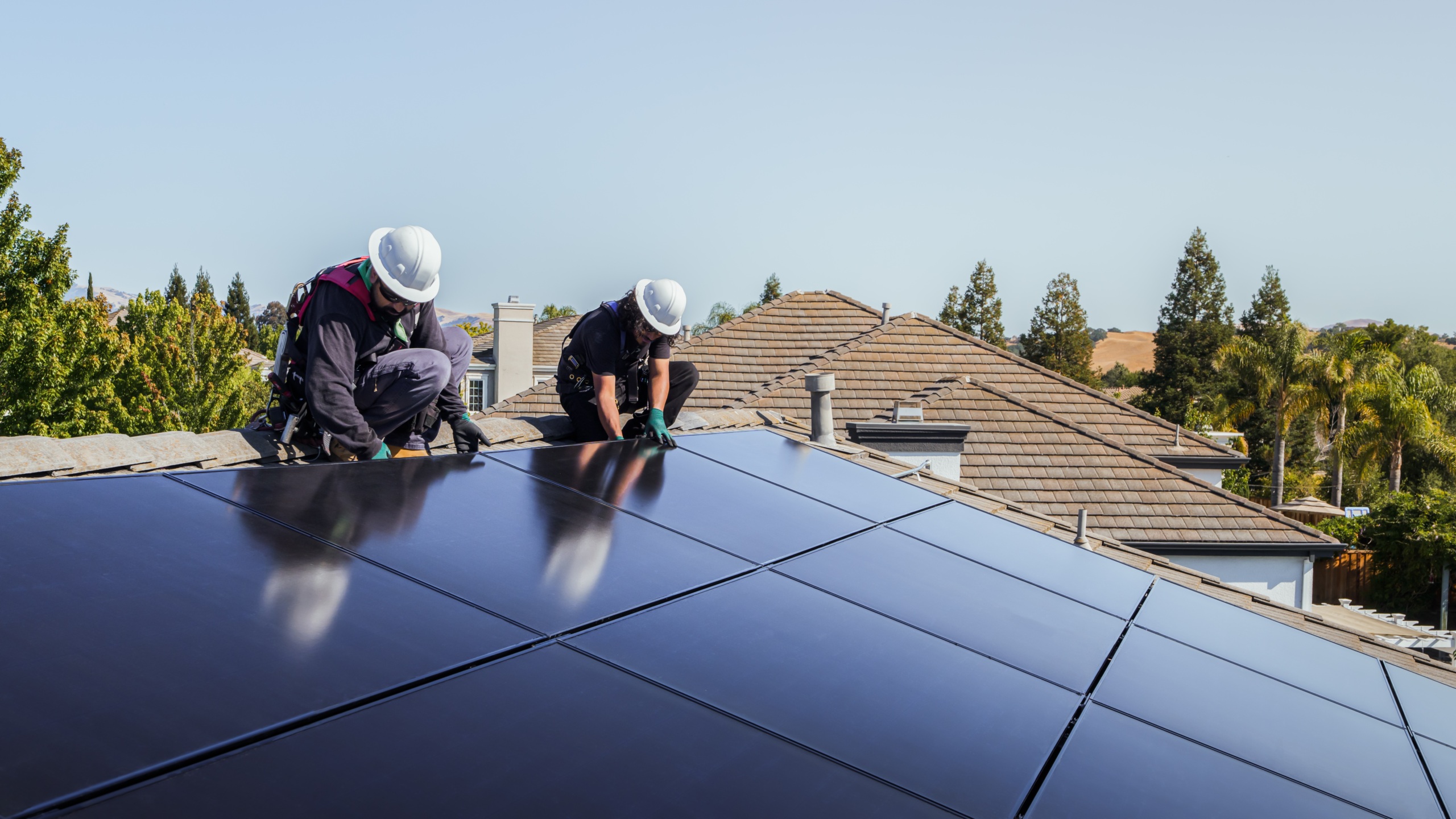
Currently, about 1 in 30 electric customers in the United States utilizes grid-connected solar energy to power their homes. This reflects a growing trend toward renewable energy solutions in the residential sector.
Johanna Neumann, senior director for the Campaign for 100% Renewable Energy at Environment America Research & Policy Center, emphasizes the importance of transitioning to these clean energy sources. She states, “Wind and solar are pollution-free, never run out, and are abundant throughout America. The sooner we power our lives with renewables, the better it will be for our health and the environment.”
The emphasis on renewable energy aligns with broader environmental and health goals, underscoring a movement toward more sustainable energy practices. The increasing dependence on wind and solar power is seen not just as a necessity for the energy sector, but as a vital step towards a healthier planet and improved public health.
In conclusion, the forecast from the EIA indicates a promising future for renewable energy in the United States, showcasing its potential to significantly impact electricity generation in the coming years. With ongoing support and technological advancements, renewables are poised to play a vital role in meeting the nation’s energy needs sustainably.
The content above is a summary. For more details, see the source article.









