


Key Takeaways
- Xiaomi has launched the XRING O1, its first 3-nanometer mobile chip, aiming to enhance self-sufficiency in technology.
- This makes Xiaomi the second smartphone brand after Apple to mass-produce its own advanced chips.
- The new chip will be featured in the Xiaomi 15S Pro smartphone and Pad 7 Ultra tablet, with a future plan for an electric SUV.
Xiaomi’s Milestone in Mobile Chip Technology
Xiaomi, a leading Chinese consumer electronics firm, announced its latest innovation on May 22, 2025, unveiling the XRING O1—a groundbreaking in-house mobile chip. This event represents a crucial step as Chinese companies increasingly focus on developing their own technologies amid a challenging international trade environment.
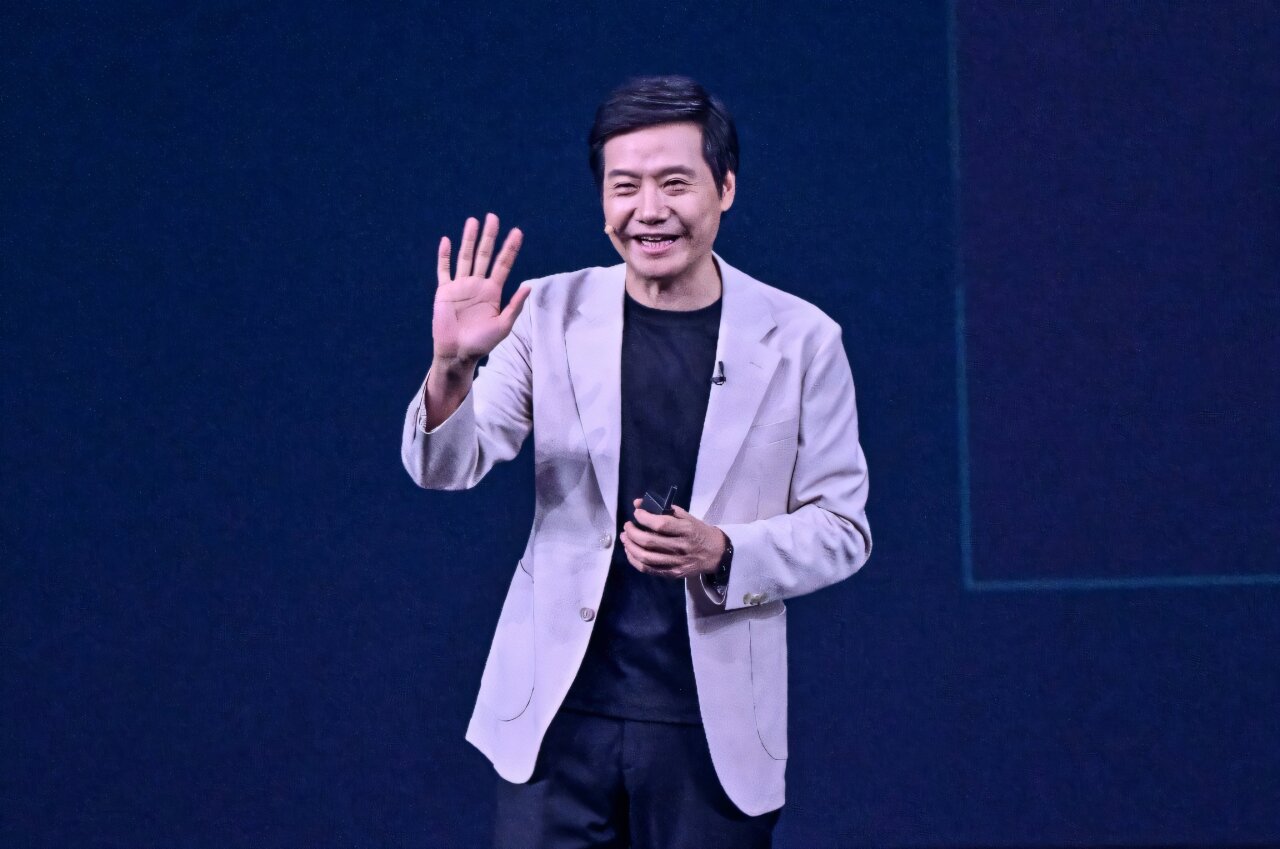
The XRING O1 positions Xiaomi as only the second global smartphone brand, following Apple, to mass-produce 3-nanometer chips, marking a significant achievement for a company that entered the semiconductor sector relatively late. Co-founder and CEO Lei Jun reflected on the challenges faced during this journey, stating humorously that it was “harder than ascending to heaven.” The company’s initial foray into chipmaking began in 2017 with the Surge S1, but production was halted due to various obstacles.
Developing the XRING O1 has taken more than a decade, with Lei emphasizing the perseverance and resilience necessary to achieve this milestone. The chip will first be incorporated into Xiaomi’s flagship 15S Pro smartphone and Pad 7 Ultra tablet, along with an introduction to the brand’s first electric SUV.
Aiming for Self-Sufficiency
Xiaomi is not alone in its ambition; numerous Chinese companies are striving to create their own chips to minimize reliance on foreign suppliers. The state of U.S.-China relations has driven this urgency, particularly as export controls on advanced chip technologies have tightened significantly in recent years. These restrictions have limited access to essential foreign equipment needed for advanced chip production, compelling firms to depend on overseas manufacturers for chips with processes below 5nm.
While Xiaomi has not disclosed which company is producing the XRING O1, it is noted that the chip utilizes the same second-generation 3nm-process technology found in Apple’s chips, which are fabricated by Taiwanese powerhouse TSMC. According to Ray Wang, a semiconductor analyst, the XRING O1 is a substantial advancement for Xiaomi, allowing it to decrease its dependency on external designers like MediaTek and Qualcomm. This strategic move not only secures Xiaomi’s supply chain but also insulates its products from ongoing geopolitical tensions between the U.S. and China.
In summary, the launch of the XRING O1 highlights Xiaomi’s commitment to innovation and self-sufficiency in technology, particularly in an era fraught with external challenges. As it continues to develop in-house capabilities, Xiaomi positions itself favorably within the competitive landscape of global technology brands. The introduction of this chip, along with new devices and an electric vehicle, underscores the company’s adaptive strategy to thrive in a rapidly evolving market.
The content above is a summary. For more details, see the source article.









