


Key Takeaways
- Donut Lab’s claims of developing a production-ready solid-state battery have been deemed false following a detailed investigation.
- Evidence reveals that Donut Lab’s battery technology resembles advanced lithium-ion batteries rather than true solid-state cells.
- Experts emphasize that solid-state technology is not expected to be mass-produced until later this decade.
Misleading Claims from Donut Lab
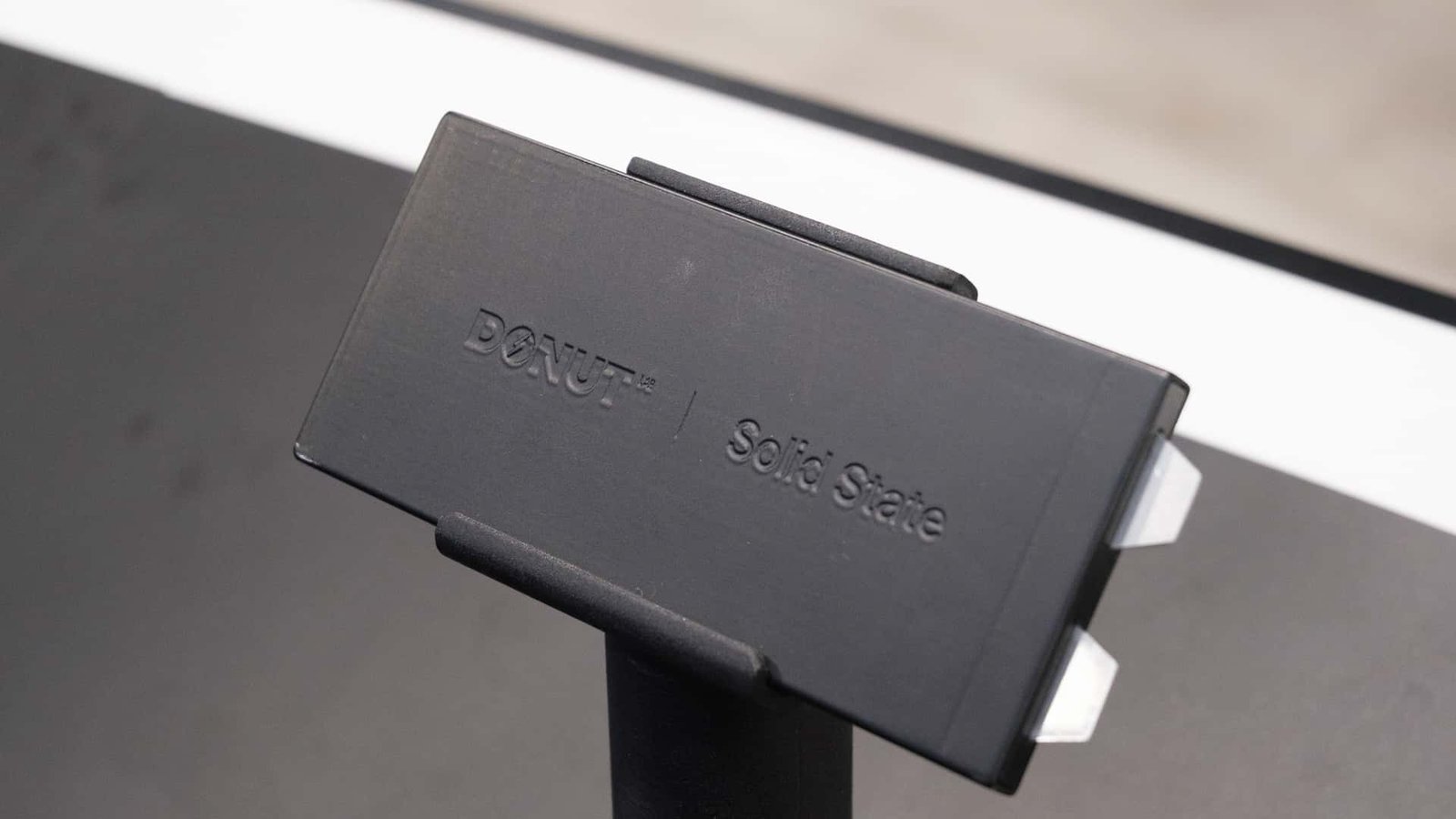
A recent investigation by Ryan Hughes from the Ziroth YouTube channel has cast doubt on Finnish startup Donut Lab’s claims of creating the world’s first production-ready all-solid-state battery. The company advertised its battery for electric Verge Motorcycles, promising rapid charging, exceptional longevity, high energy density, and a lack of rare earth materials. While these claims positioned Donut Lab as a potential leader in battery technology, experts in the field expressed skepticism, noting that true all-solid-state batteries are not expected to be available for mass production until the end of the decade.
The investigation has made it clear that Donut Lab’s assertions may not be backed by reality. In a noteworthy revelation, the battery’s technology appears to replicate high-performance lithium-ion batteries instead of achieving the groundbreaking advancements claimed. This parallels the findings of other researchers who agree on the current limitations of the technology.
Hughes’ research has delved into internal communications and consultations with battery scientists, including insights from Lauri Peltola, a co-founder of Donut Lab’s affiliate company. Peltola’s statements suggest that both companies lacked a comprehensive understanding of battery chemistry and manufacturing processes, raising concerns regarding their operational integrity. He alleged that Donut Lab misled Nordic Nano about having conducted extensive due diligence before revealing their technology at CES.
One critical piece of evidence against Donut Lab’s claims is the observed expansion curve of their battery during tests at the VTT Research Institute in Finland. This metric highlights changes in battery thickness, revealing characteristics typical of advanced lithium-ion technology rather than all-solid-state cells. Furthermore, the VTT testing indicated an energy density of 298 watt-hours per kilogram, significantly lower than Donut Lab’s claimed 400 Wh/kg.
Experts have emphasized that features such as quick charging times and resistance to high temperatures are already achievable with current lithium-ion batteries. For instance, models like the new Mercedes-AMG GT and BYD’s second-generation Blade batteries demonstrate impressive charging capabilities, further substantiating skepticism around Donut Lab’s advertised advancements.
As leading companies like Toyota and CATL embark on developing true solid-state batteries, doubts remain about a startup like Donut Lab, which has yet to manufacture any batteries, being able to make significant breakthroughs in this field. The larger context reveals that while the potential for solid-state technology is vast, reaching that potential still appears distant, reinforcing the cautious stance recommended by battery industry experts.
In response to Hughes’ findings, Donut Lab issued a public statement defending its claims and reaffirming its commitment to its technology. The company expressed the importance of maintaining trust with partners and customers while positioning itself as progressing according to schedule. As the investigation continues to unfold, the spotlight remains on Donut Lab and its validation of its ambitious technology claims.
The content above is a summary. For more details, see the source article.









